Highlights:
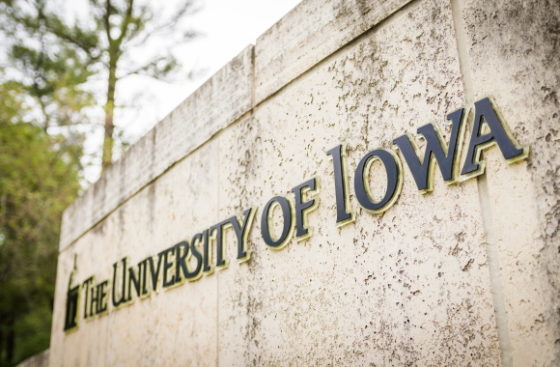
Shots Heard Around the State
After the University of Iowa shooting, many face the challenge with grief and fear, without being divided by heightened racial bias.
It’s hard to put into words the feeling of hearing about a shooting at a place that has always felt so close to our future. For many of us, the University of Iowa isn’t just another campus but a place where friends, siblings, and maybe even we ourselves hope to go one day. That sense of familiarity makes this tragedy hit differently, feeling more personal.
As high school students, we’re used to seeing headlines about violence in schools and universities across the country. But when it happens in our own state, it stops feeling distant. Instead, it forces us to confront something uncomfortable: that these events aren’t just “somewhere else” problems but here too.
Along with the shock and grief, there’s another layer to this conversation that we can’t ignore: the way race shapes how people respond to tragedies like this. Reports have identified the shooters as multiple black individuals, and almost immediately, conversations online and in communities have shifted in a way that reflects long-standing biases. In Iowa, where African Americans make up a small percentage of the population, those biases can be even more pronounced.
However, this isn't something new. Instead, it is a pattern we've seen before. When a suspect is Black, the narrative often becomes broader; people begin making assumptions not just about the individual, but about an entire community. Fear turns into generalization, and generalization turns into prejudice. It's unfair and harmful, yet the sad reality.
This doesn’t mean we ignore what happened or avoid accountability, as a tragedy is a tragedy and actions have consequences. But we have to be careful not to let grief and anger turn into something that deepens the already heightened divisions in our country. Blaming an entire group of people for the actions of a few individuals only creates more harm and distracts from the real issues we should be talking about such as mental health, access to support systems, and preventing violence in the first place.
As students, we are in a unique position where many of us are still learning, still forming our views, and still deciding what kind of communities we want to be part of. Moments like this challenge us to think critically and compassionately at the same time. I hope that this tragedy brings people together in reflection and not division.
Moving forward, the question isn’t just how we respond to this one event, but what we choose to carry with us from it. Will we let fear shape our views of others? Or will we use this moment to build a more understanding, more just community?